Sometimes you don’t need to know who a number belongs to — just where it’s from or which carrier it uses. Maybe you’re trying to gauge whether a missed call is local or long-distance, working out the time zone before calling someone back, or sanity-checking whether a number that claims to be your bank actually lines up. Finding a phone number’s carrier and region is genuinely useful, and it’s something you can do with free tools and a little know-how. This guide explains how number formatting reveals location, how to identify the carrier, and what these details can and can’t tell you.
The beauty of carrier and region information is that it’s general by nature, which makes it both safe to look up and genuinely useful in daily life. You’re not trying to unmask anyone — you’re just reading the geography and network baked into the number itself, which is often all you need to make a smart decision about a call or text.
As always, the focus here is practical and legitimate: understanding a number’s origin to make informed decisions, not investigating individuals. Region and carrier information is general by nature, which is exactly why it’s safe and useful for this purpose.
How Phone Numbers Encode Location
Phone numbers aren’t random — they’re structured to encode geography, and learning to read that structure tells you a lot at a glance.
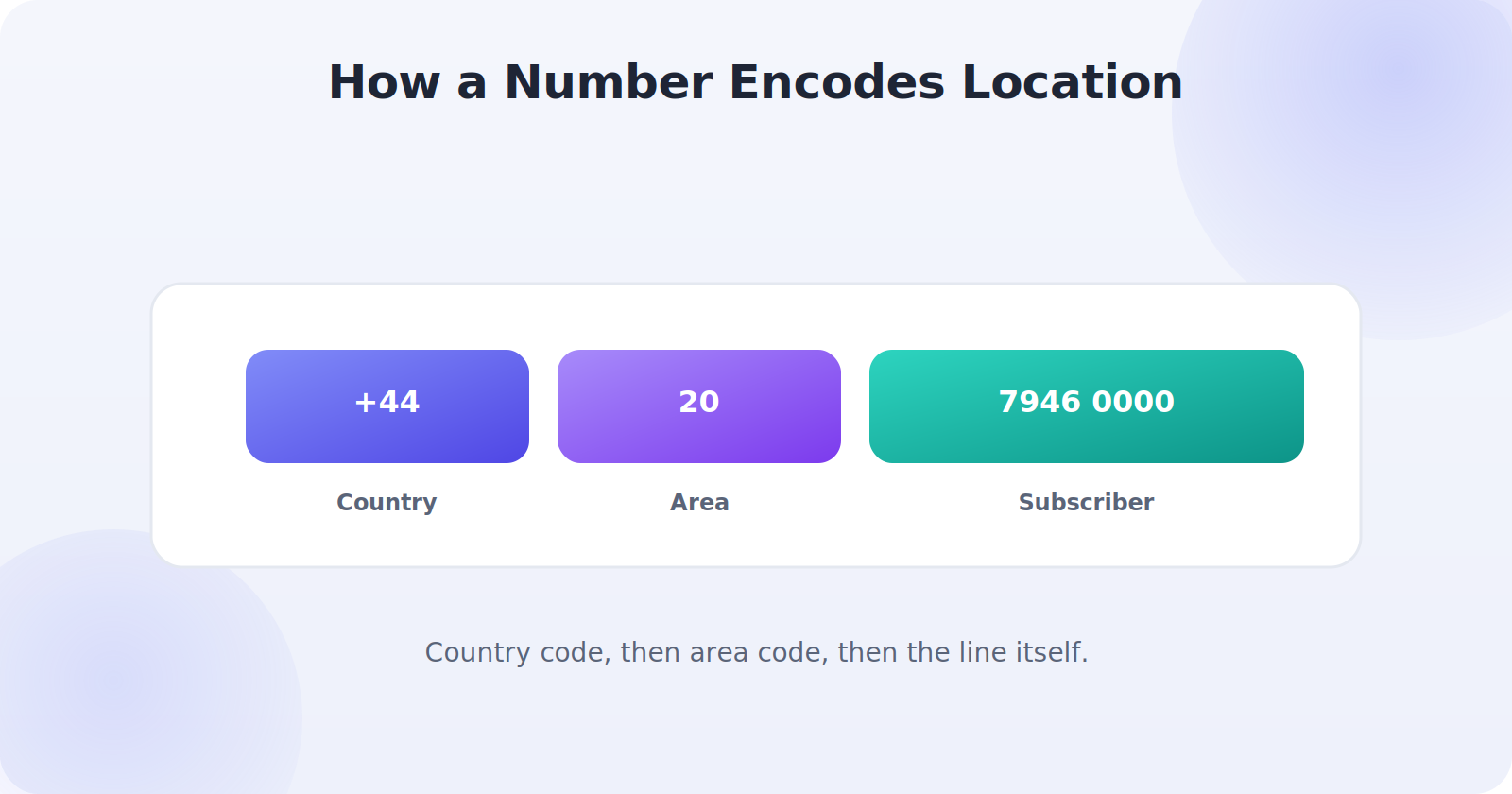
- Country code: the leading digits after a + sign identify the country, like +1 for the US and Canada or +44 for the UK.
- Area or regional code: the next group narrows it to a city, region, or state.
- Subscriber number: the remaining digits identify the specific line.
So before you use any tool at all, the number itself already tells you a great deal. A +44 number is British; a +1 212 number is associated with New York. Recognizing country and area codes is the fastest, most reliable way to place a number geographically.
Step 1: Read the Country and Area Code
Start by identifying the country code (the part after the +) and the area code that follows. A quick search for “country code 44” or “area code 212” instantly tells you the country and the city or region. This alone answers most “where is this number from?” questions, and it requires nothing more than a search engine.
Step 2: Use a Free Carrier-Lookup Tool
To find the carrier — the network the number is on — there are free, legitimate carrier-lookup tools. These tell you which mobile or landline provider a number is associated with, which can be useful for understanding whether a number is mobile or landline and roughly where it’s based.
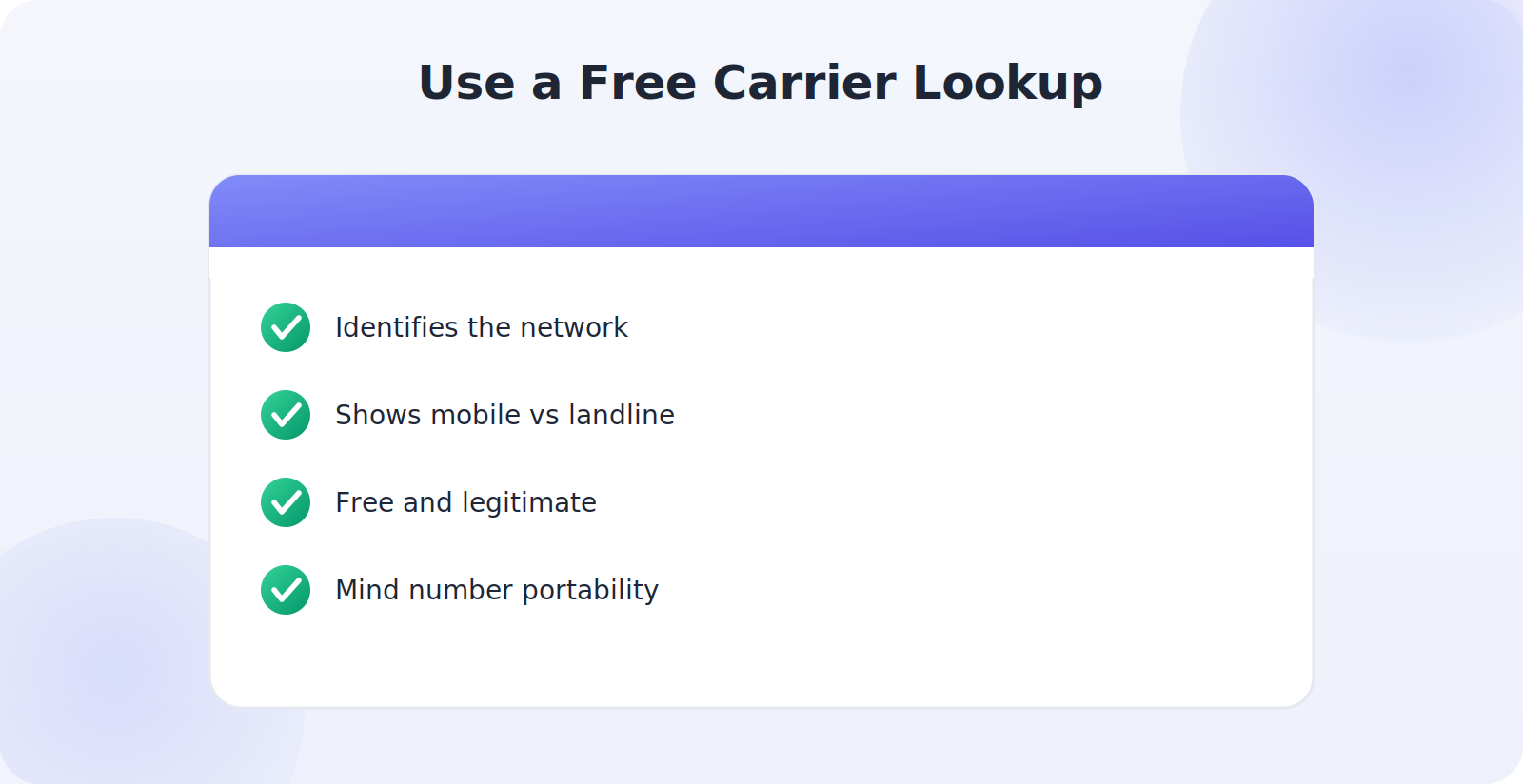
Be aware of one important wrinkle: number portability. In many countries, people can keep their number when they switch carriers, so a carrier lookup may show the original carrier rather than the current one. It’s still useful for general orientation, but don’t treat it as definitive.
Step 3: Note Mobile vs. Landline
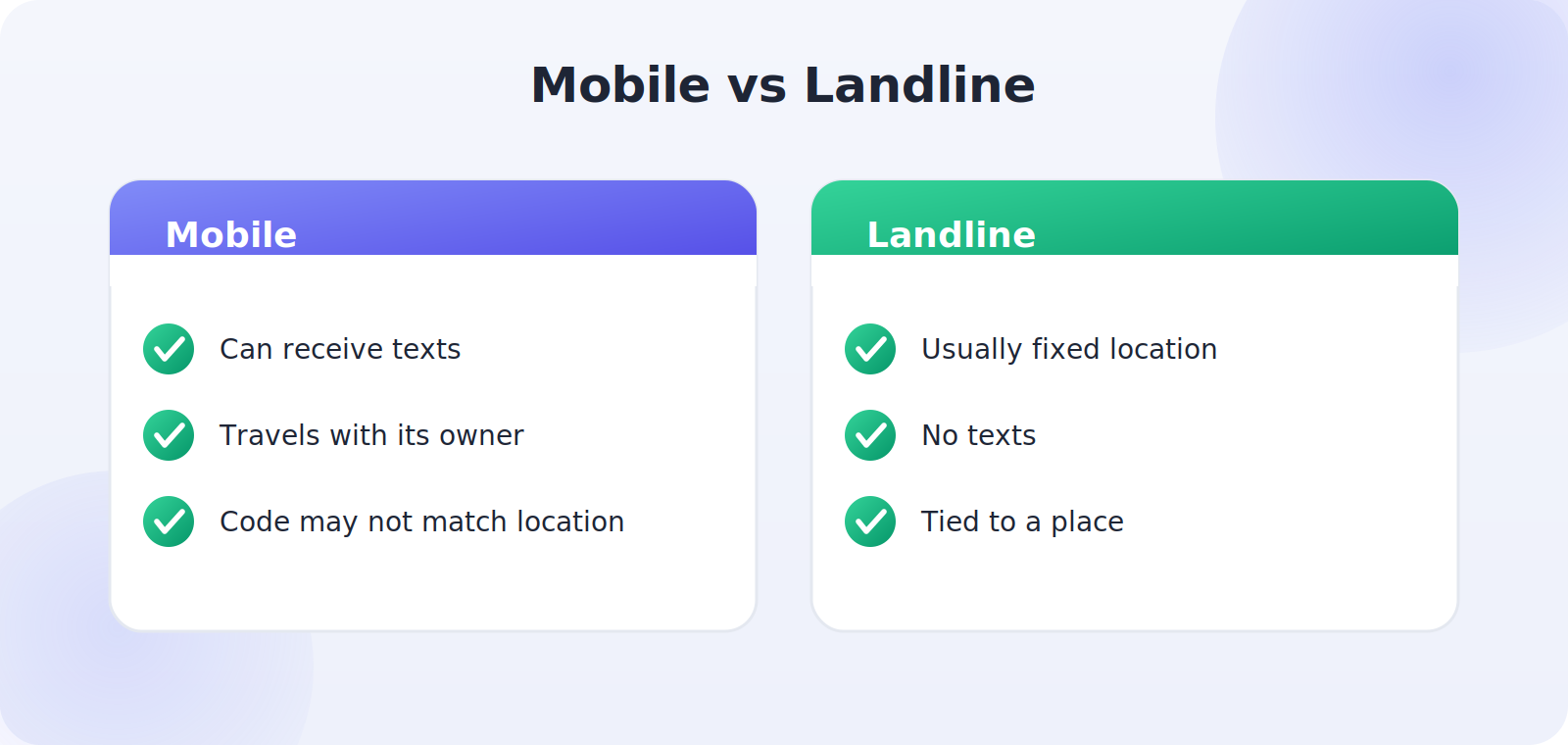
Carrier lookups and number formatting often reveal whether a number is a mobile or a landline, which is genuinely useful context. A mobile number behaves differently from a landline — it can receive texts, it travels with its owner, and its area code may not reflect where the person actually is anymore. A landline, by contrast, is usually tied to a fixed location. Knowing which you’re dealing with helps you interpret the number sensibly.
Using Region Info to Spot Scams
One of the most practical uses of carrier and region information is sanity-checking suspicious calls. If you get a call claiming to be from your local bank but the number’s region or format looks wrong — an unexpected country code, say, or a premium-rate prefix — that’s a useful warning sign. Scammers often call from numbers that don’t match the organization they claim to represent.
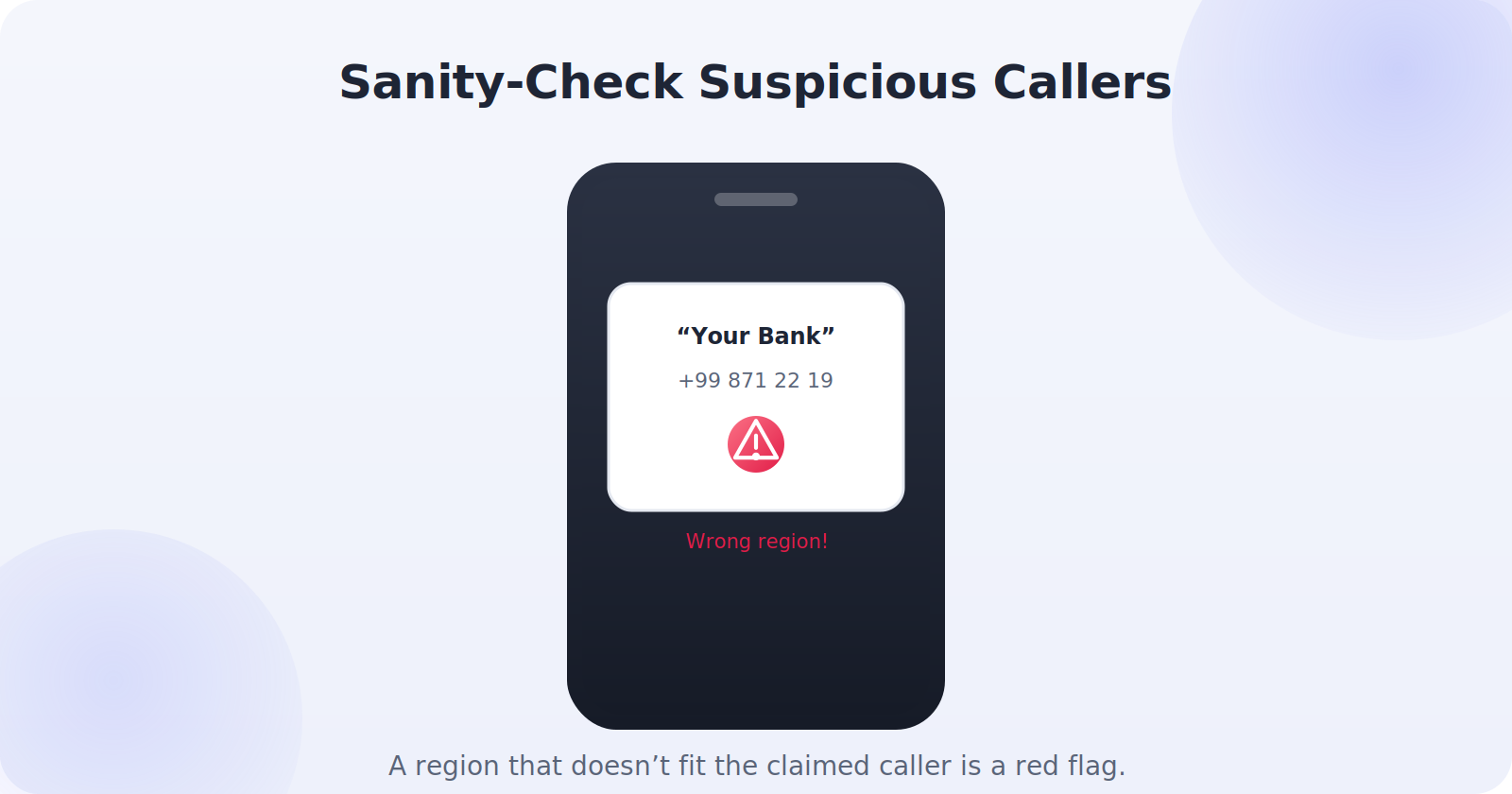
That said, remember that caller ID and numbers can be spoofed, so a number that looks right isn’t a guarantee either. Use region information as one signal among several, and when in doubt, hang up and call the organization back on a number you find independently.
Watch Out for Premium-Rate and Unusual Numbers
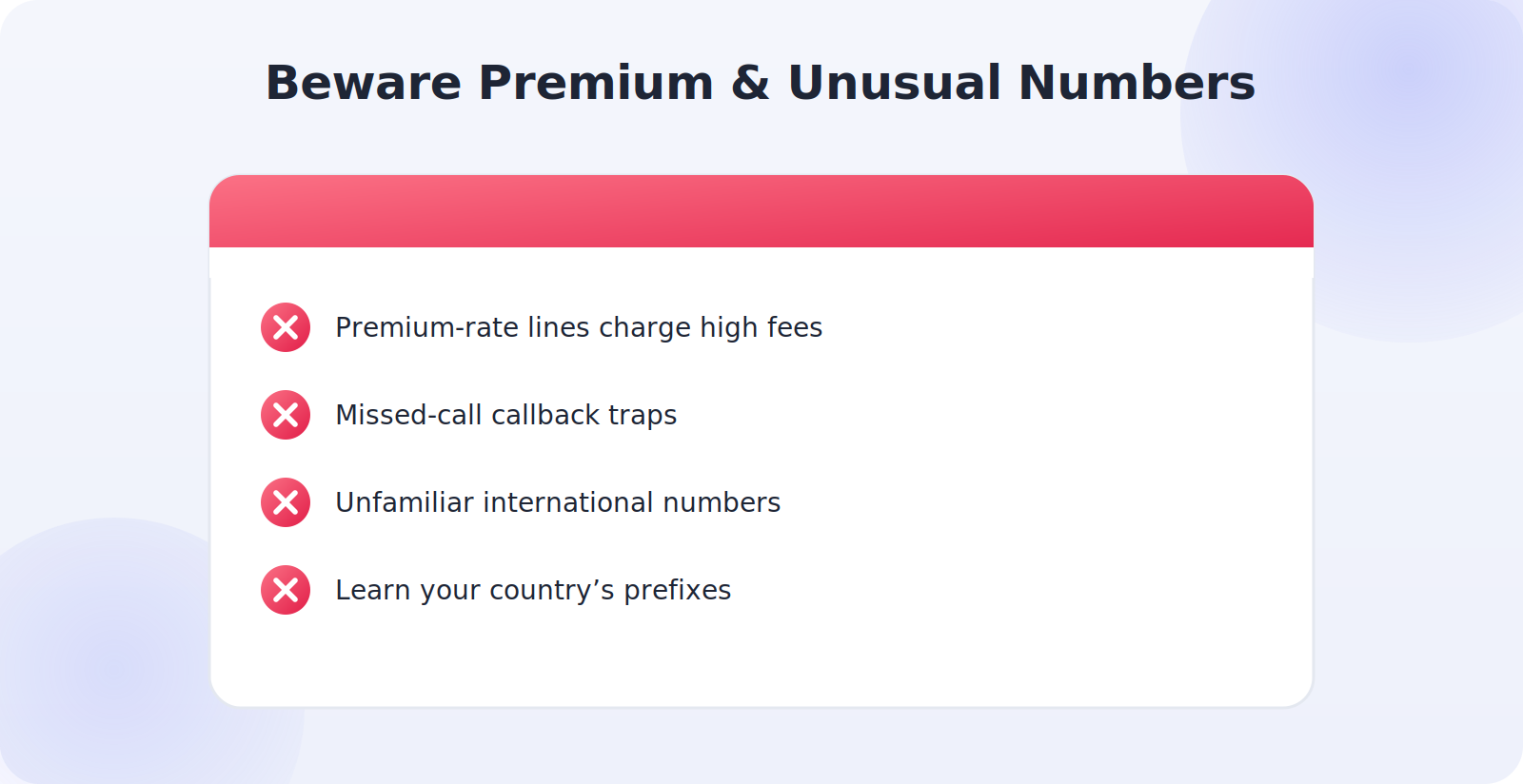
Region and format checks also help you avoid costly mistakes. Some numbers are premium-rate lines that charge high fees if you call them, and scammers sometimes use missed-call tricks to lure you into calling back. Learn to recognize the premium-rate prefixes in your country, and be cautious about calling back unfamiliar international numbers you don’t recognize — a tactic sometimes called “wangiri” relies on your curiosity costing you money.
What These Lookups Can’t Tell You
It’s worth being clear about the limits. Carrier and region lookups give you general information — the network, the rough geography, mobile versus landline. They don’t reveal who owns the number, where the person currently is, or any personal details, and number portability means even the carrier result may be out of date. That generality is a feature, not a flaw: it gives you helpful context for decisions while respecting the privacy of whoever holds the number.
Why Carrier and Region Info Is Useful
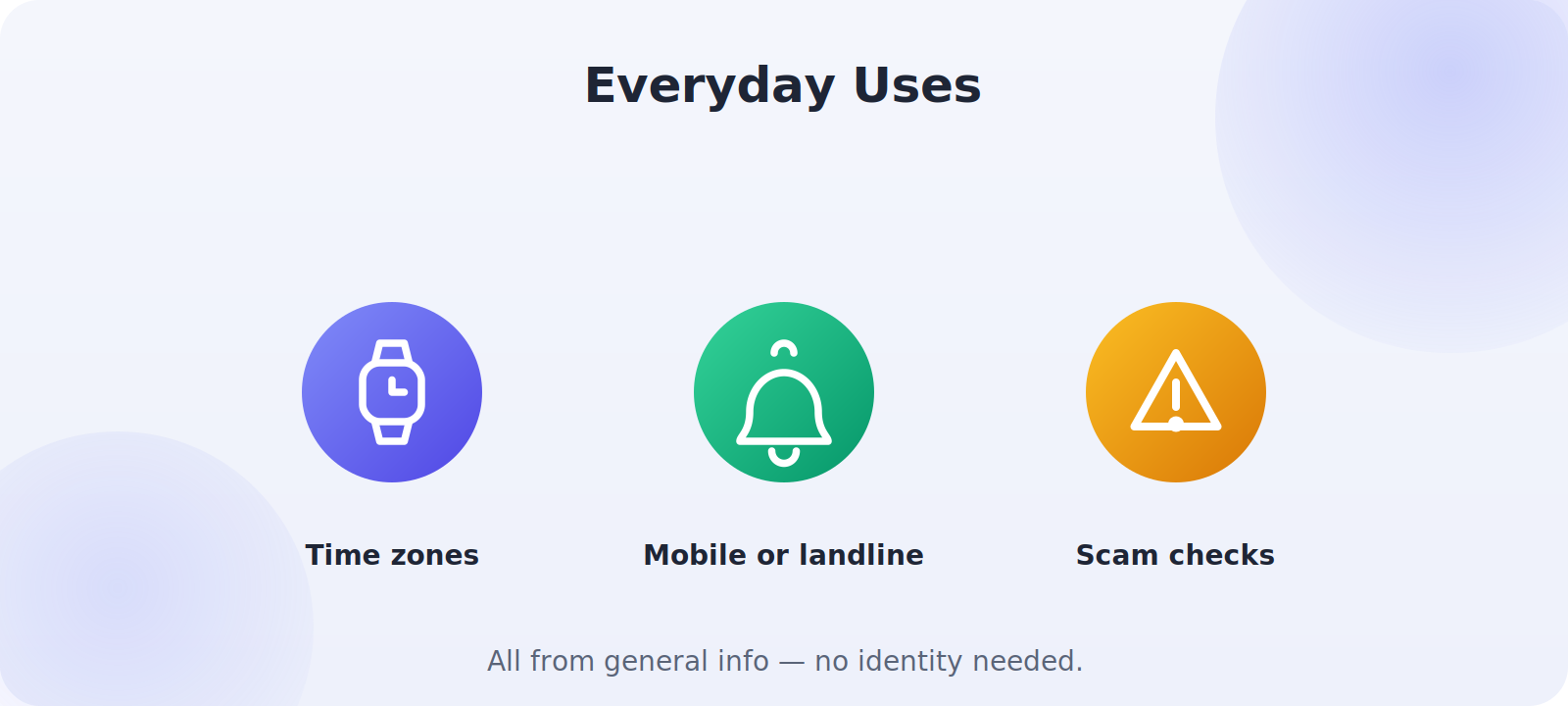
It’s fair to ask why you’d bother finding a number’s carrier and region at all. The answer is that this general information quietly supports several everyday decisions. Knowing the region helps you work out the time zone before returning a call, so you don’t ring someone at 3 a.m. Knowing whether a line is mobile or landline tells you whether you can text it. And knowing the origin of a number is a fast sanity check against scams that pretend to be local or to come from an organization you trust.
None of this requires identifying a person, which is precisely why it’s both useful and safe. Carrier and region details paint a number’s general portrait — where it’s from, what kind of line it is, which network — and that portrait is usually all you need to decide how to handle a call or text sensibly.
International Numbers and Travel
Carrier and region awareness becomes especially handy when international numbers are involved. If you travel, or deal with contacts abroad, recognizing country codes helps you understand call costs and avoid surprises. A call from a country you have no connection to, particularly a single missed ring, deserves suspicion rather than a callback. And when you’re the one traveling, knowing how your own number presents internationally — and what it costs to use abroad — helps you stay reachable without a shock on your bill.
If you regularly call international numbers, it’s worth learning the few country codes relevant to your life so you can recognize them instantly. That small bit of familiarity makes you both more efficient with legitimate international contacts and quicker to spot the unfamiliar foreign numbers that are best left unanswered.
Putting It Into Practice
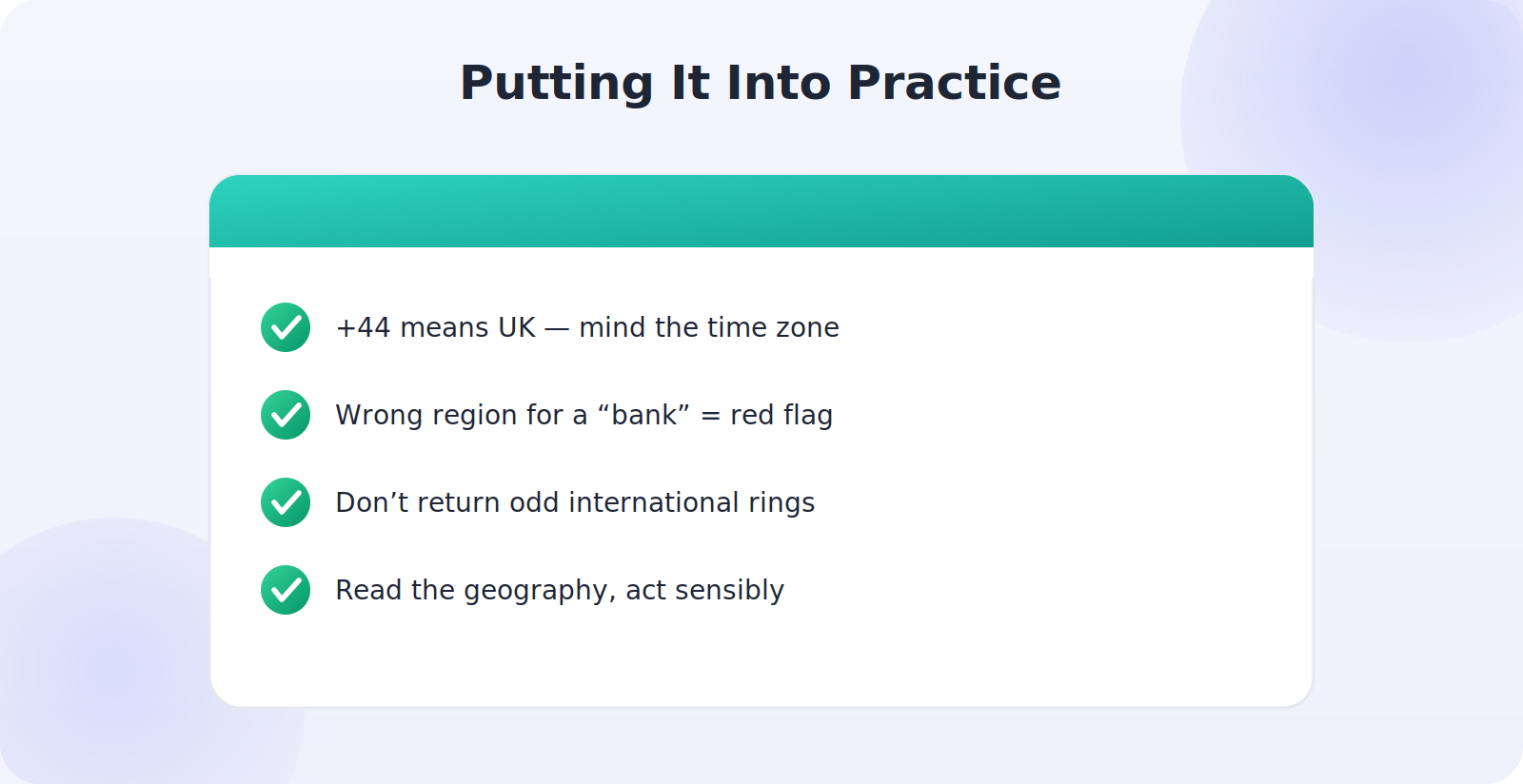
Here’s how this plays out day to day. A missed call from a +44 number reminds you it’s a UK contact, so you wait until their morning to ring back rather than the middle of their night. A text claiming to be from your bank arrives from an overseas country code that makes no sense for your local branch, so you ignore it and check your account through the official app instead. A single missed ring from an unfamiliar international number stays firmly un-returned, sparing you a possible premium charge. None of these needed you to identify a person — just to read the geography in the number and act sensibly. That’s carrier and region information doing exactly the quiet, practical job it’s good at.
Common Mistakes to Avoid
- Assuming the area code shows current location; mobile numbers travel with their owners.
- Trusting a carrier lookup as definitive when number portability may make it outdated.
- Calling back unknown international numbers, which can incur premium charges.
- Treating a “right-looking” number as proof of a legitimate caller, since numbers can be spoofed.
- Paying for carrier info that free tools provide.
Frequently Asked Questions
Does a + at the start matter?
Yes — the + indicates an international format, and the digits right after it are the country code. Reading that first tells you which country the number belongs to.
Can region info confirm a caller is legitimate?
It’s only one signal. A region that doesn’t match a claimed caller is a red flag, but a region that looks right isn’t proof, since numbers can be spoofed. Verify important calls independently.
How can I tell what country a number is from?
Look at the country code — the digits right after the + sign — and search it. The area code that follows narrows it to a region or city.
Can I find the current carrier of a number?
Free carrier lookups can identify a carrier, but number portability means it may show the original rather than the current one. Treat it as general guidance, not a definitive answer.
Why does the area code not match where the person is?
Mobile numbers keep their original area code even when the owner moves, so the code reflects where the number was first issued, not where the person currently lives.
Quick Takeaways
- The country and area codes already reveal a number’s geography.
- Free carrier-lookup tools identify the network and mobile vs. landline.
- Number portability means carrier results can be outdated.
- Use region info to sanity-check suspicious callers — but numbers can be spoofed.
- Beware premium-rate and unfamiliar international callbacks.
Used this way, carrier and region details become a quiet everyday asset rather than a curiosity. They cost nothing, respect everyone’s privacy, and give you just enough context — the country, the network, the kind of line — to make confident decisions about the calls and texts that land on your phone. That is exactly the right amount of information for the job.
A Quick Note on Privacy
It’s worth remembering that the reason carrier and region lookups are safe and uncontroversial is precisely that they reveal only general information — never a person’s identity. That’s by design, and it’s a good thing. If you ever find a service claiming to turn a number into someone’s name, home address, or personal history, recognize it for what it is: at best unreliable, at worst a privacy-invading data grab. Stick to the general, legitimate information — country, region, carrier, line type — and you get everything genuinely useful while respecting the privacy you’d want extended to your own number. That balance — helpful general context on one side, personal privacy firmly protected on the other — is exactly what makes these everyday lookups something you can use freely and without hesitation.
The Bottom Line
Finding a phone number’s carrier and region is straightforward and free, and it starts with the number itself: the country code and area code reveal the geography at a glance, while free carrier-lookup tools identify the network and whether a line is mobile or landline. Keep number portability and spoofing in mind so you don’t over-trust the results, and use region details as a handy way to sanity-check suspicious callers and avoid premium-rate traps. It’s general information by design — useful for context, safe for privacy. Learn to read the country and area codes at a glance, lean on free carrier tools when you need the network or line type, and keep spoofing and portability in mind, and you will have a quick, dependable way to place almost any number that crosses your screen.