
Introduction
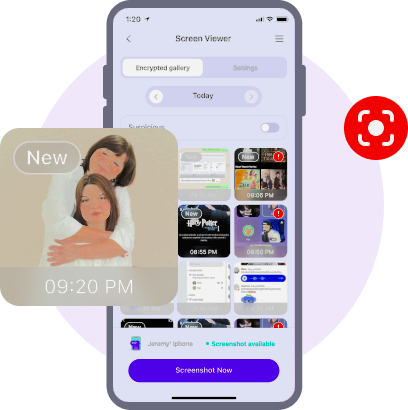
Parents want reliable ways to know their children are safe without hovering or disrupting daily life. Modern smartphones include cameras and microphones that, when used responsibly and with proper permissions, let caregivers view a child’s surroundings in real time or review short recordings for context. This guide explains how remote camera monitoring works in plain language, what features to expect, how to set it up, how to combine camera monitoring with location and geofence tools, and how to choose an app from official stores such as Google Play and the Apple App Store. FreePhoneSpy is mentioned as an example of a parental control solution available through mainstream app stores; the focus here is on practical workflows, family communication, and responsible use.
What Remote Camera Monitoring Means for Parents
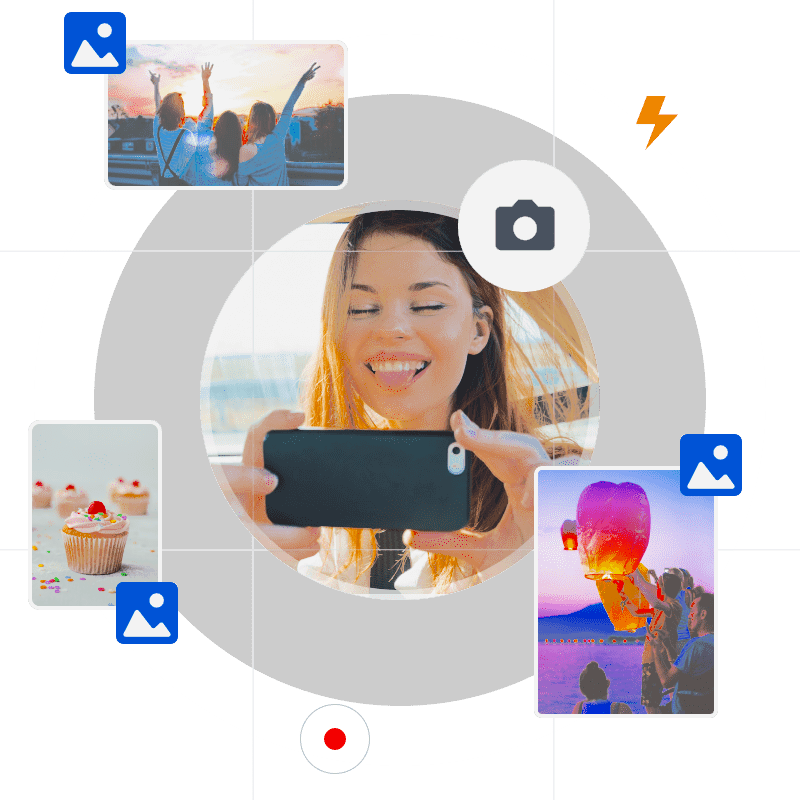
Remote camera monitoring refers to the ability to access a child’s phone camera from a parent’s device or web console so you can see the child’s immediate environment in real time or capture short video clips. The most common capabilities are:
- Live camera view — access to the front or rear camera to observe surroundings visually.
- One‑way audio — listen to ambient sounds without initiating a two‑way call.
- Ambient recording — record short audio or video clips for later review.
- Flashlight control — remotely turn on the phone’s flashlight to improve visibility.
- Scheduled checks — set times for automatic, limited monitoring sessions.
These features are typically offered by family safety and parental control apps available on Google Play and the App Store. When evaluating options, check the app’s store listing for feature details, permissions required, and installation instructions. FreePhoneSpy is one example parents sometimes reference; review any app’s listing and documentation before installing.
Why Parents Use Remote Camera Monitoring
Remote camera monitoring is used for practical, everyday reasons:
- Immediate reassurance: A quick live view can confirm a child arrived home safely or is in a supervised environment.
- Context for concerns: If a child seems upset or unreachable, a short recording or live view can provide context to guide a calm conversation.
- Emergency response: In urgent situations, a live view helps parents assess risk and decide whether to call for help.
- Night checks: Scheduled ambient recordings can help identify unusual noises or disturbances during sleep hours.
- Care coordination: When children are with other caregivers, a parent can verify the environment without interrupting routines.
Use monitoring as a tool for safety and communication rather than constant surveillance.
Core Features to Expect
When comparing parental monitoring solutions, look for these core features and how they behave in everyday use:
- Live camera access: Ability to view the front or rear camera feed in real time.
- One‑way audio: Hear ambient sounds without initiating a two‑way call.
- Ambient recording: Record short audio or video clips for later playback.
- Scheduled monitoring: Set times for automatic checks or recordings.
- Saved recordings: Secure storage of audio/video clips for later review.
- Flashlight control: Turn on the phone’s flashlight remotely to improve visibility.
- Connection independence: Remote access over the internet rather than requiring the same local Wi‑Fi network.
- Permission transparency: Clear prompts and settings on the child’s device that show when monitoring is active.
These features are commonly described in app listings on Google Play and the App Store. Read the developer’s description and in‑app help to confirm how each feature works and what permissions are required.
How Remote Camera and One‑Way Audio Work
Remote camera and ambient audio features rely on three technical elements:
- Child device component: A companion app or managed profile runs on the child’s phone and exposes controlled functions (camera, microphone) to the parent’s account.
- Parent console: A companion app or web dashboard on the parent’s device requests and receives live feeds or recordings.
- Internet connection and permissions: Both devices need an active internet connection and the child’s device must grant the app the necessary permissions to access camera and microphone.
When a parent initiates a live view or audio session, the child’s device streams the requested data to the parent’s console through secure channels provided by the app. Recordings are saved to the parent’s account or to secure cloud storage associated with the app. The child’s device should show clear indicators when camera or microphone access is active, depending on the app and operating system.
Step‑by‑Step Setup Workflow
Below is a general, device‑agnostic workflow that applies to most parental monitoring apps available on Google Play and the App Store. The exact labels and steps vary by product, but the sequence is consistent.
- Install the parent app: Download the parental control or family safety app on the parent’s phone from Google Play or the App Store.
- Create an account: Register a parent account using an email address and a secure password.
- Install the child app: On the child’s phone, install the companion child app and sign in or enter a pairing code provided by the parent account.
- Grant permissions: On the child’s device, allow the app to access the camera, microphone, and any other required features.
- Pair devices: Use the app’s pairing process (QR code, code entry, or account link) to bind the child’s device to the parent’s account.
- Test features: From the parent console, test live camera view and ambient audio to confirm connectivity and permissions.
- Configure schedules and alerts: Set up scheduled recordings or rules for when monitoring is allowed.
- Review recordings: Access saved audio/video clips from the parent console and manage storage or downloads as needed.
Most apps provide in‑app help and store listing instructions to guide each step. If you choose a specific product such as FreePhoneSpy, consult its store listing for installation and pairing instructions.
Practical Uses and Everyday Scenarios
Remote camera monitoring supports many practical parenting needs. Examples include:
- Arrival confirmation: A quick camera check can confirm that a child has arrived home safely.
- Assessing immediate risk: Live audio can reveal raised voices, alarms, or other sounds that indicate danger.
- Checking environment: Visual checks help verify whether a child is in a crowded place, at a friend’s house, or in a quiet room.
- Gathering context: Recordings provide context for later conversations or for sharing with caregivers.
- Night checks: Scheduled ambient recordings can help parents monitor sleeping arrangements or unusual noises.
Each use case benefits from clear rules about when monitoring is appropriate and how recordings are stored and reviewed.
Scheduling and Automation
Many parental monitoring solutions include scheduling features so parents can automate checks without manual intervention. Typical scheduling options include:
- Recurring time windows: e.g., daily checks between 6:00 PM and 8:00 PM.
- One‑time scheduled recordings: Record ambient audio at a specific time.
- Event‑triggered actions: Start a recording when the child’s device detects motion or a loud noise.
Automation reduces the need for constant manual checks while ensuring parents receive timely information. When using scheduling, confirm how long recordings are retained and whether they consume cloud storage or local device space.
Storage, Playback, and Data Management
Understanding how recordings are stored and accessed is essential:
- Cloud storage: Many apps upload recordings to a secure cloud account tied to the parent’s login. Check retention policies and storage limits.
- Local storage: Some apps save recordings on the parent’s device after download; this requires manual management.
- Playback controls: Parent consoles typically provide playback, download, and delete options.
- Exporting evidence: If recordings are needed for official purposes, ensure the app preserves metadata (timestamps) and provides reliable export options.
Always review the app’s storage and retention settings so recordings are available when needed and do not exceed storage quotas.
Battery, Data, and Performance Considerations
Remote camera and ambient audio sessions use device resources. Expect the following impacts:
- Battery drain: Live streaming and recording consume battery power on the child’s device.
- Data usage: Video streams and audio uploads use mobile data; plan for potential data charges if the child’s device is on a cellular plan.
- Device performance: Background monitoring can affect device responsiveness if the app is resource‑intensive.
To minimize impact, use scheduled checks, limit session length, and prefer Wi‑Fi when possible. Many apps provide settings to restrict monitoring to Wi‑Fi only.
Security and Account Protection
Protecting the parent account and the child’s device is critical:
- Strong passwords: Use a unique, strong password for the parent account.
- Two‑factor authentication: Enable 2FA if the app supports it.
- Device access: Keep the parent’s device secure and avoid sharing account credentials.
- App updates: Keep both parent and child apps updated to receive security patches.
These measures reduce the risk of unauthorized access to live feeds or stored recordings.
Legal and Ethical Considerations
Monitoring a child’s surroundings involves legal and ethical considerations that vary by jurisdiction and family circumstances. Practical points to keep in mind:
- Parental authority: Parents generally have broad authority to monitor minor children’s devices, but local laws differ.
- School and third‑party rules: Some institutions prohibit device monitoring on their premises; check school policies.
- Respect for caregivers: When children are under the care of others, communicate monitoring practices to avoid misunderstandings.
- Age and maturity: As children grow, discuss monitoring expectations and transition toward more privacy and autonomy.
This section helps parents think through practical constraints and encourages clear family communication about monitoring.
How to Use Remote Camera Monitoring Responsibly
A responsible approach balances safety with respect for privacy and development:
- Set clear family rules: Explain when and why monitoring occurs.
- Use monitoring for safety, not surveillance: Focus on situations where monitoring addresses a specific safety concern.
- Review recordings thoughtfully: Use recordings to inform conversations, not to punish minor, everyday behavior.
- Gradually reduce monitoring: As trust and maturity grow, scale back monitoring and involve the child in decisions.
These practices help maintain trust while keeping children safe.
Combining Camera Monitoring with Location and Geofence Tools
Camera monitoring is most effective when paired with location context:
- Live location: A map ping shows where the device is; a live camera view adds visual context.
- Geofence alerts: Receive notifications when a child enters or leaves a defined area and then request a short live view if needed.
- Location history: Review past movements to understand patterns and correlate them with recordings.
Using these tools together helps parents make informed decisions quickly.
Choosing an App from Google Play or the App Store
When selecting a parental control app from official stores, evaluate these attributes:
- Feature set: Confirm the app supports live camera view, ambient audio, scheduled recordings, and secure storage.
- Reputation and reviews: Check user reviews and ratings in the store listing.
- Transparency: Look for clear documentation on permissions, data retention, and how recordings are handled.
- Support and updates: Prefer apps with active support and regular updates.
- Compatibility: Ensure the app supports the child’s device OS version.
Search the Google Play Store or the Apple App Store for parental control or family safety apps and read the developer’s description and user reviews to compare options. FreePhoneSpy is one example of a parental control app that lists remote camera and ambient recording among its features; review its store listing for installation steps and compatibility notes.
Troubleshooting Common Issues
If live camera or ambient audio features don’t work as expected, check the following:
- Permissions: Confirm the child’s device has granted camera and microphone permissions to the app.
- App status: Ensure the child app is running and not blocked by battery optimization settings.
- Internet connection: Verify both devices have active internet connections.
- Account pairing: Re‑pair devices if the parent console cannot find the child’s device.
- Storage limits: Check cloud or account storage quotas if recordings fail to upload.
Most apps include a help center or FAQ in their store listing or within the app itself to guide troubleshooting.
When to Use Live Monitoring vs Recorded Clips
- Live monitoring is best for immediate, time‑sensitive checks when you need to see or hear what’s happening right now.
- Recorded clips are useful for documenting events, reviewing what happened earlier, or preserving evidence of an incident.
Use both features in combination: schedule recordings for routine checks and use live view for urgent situations.
Managing Data Retention and Privacy
Parents should decide how long to keep recordings and how to manage storage:
- Short retention: Keep recordings for a limited period (e.g., 30 days) unless needed for a specific reason.
- Selective saving: Save only recordings that are relevant to safety or that the family wants to keep.
- Secure backups: If recordings are important, download and store them securely on a parent device or encrypted storage.
Check the app’s retention settings and adjust them to match your family’s needs.
Communicating with Your Child About Monitoring
Open communication helps maintain trust:
- Explain purpose: Tell your child why monitoring exists and what situations trigger it.
- Set boundaries: Define when monitoring will occur and what will be recorded.
- Invite questions: Encourage the child to ask about the technology and how it’s used.
- Plan transitions: Discuss how monitoring will change as the child grows older.
Clear conversations reduce anxiety and help children understand safety measures.
Security Best Practices for Parents
Protecting sensitive data and access is essential:
- Use unique passwords: Avoid reusing passwords across services.
- Enable two‑factor authentication: Add an extra layer of account protection when available.
- Limit account sharing: Keep parent credentials private and use family features for multiple guardians.
- Keep devices updated: Install OS and app updates promptly to receive security patches.
- Review access logs: Some apps show recent logins or device activity—check these periodically.
These steps reduce the risk of unauthorized access to live feeds or stored recordings.
Handling Sensitive Discoveries
If monitoring reveals signs of self‑harm, exploitation, or other serious concerns:
- Stay calm: Approach the child with care and without immediate accusation.
- Gather context: Review timestamps and related recordings to understand the situation.
- Open a supportive conversation: Ask open questions and listen.
- Seek help: If the situation is urgent or dangerous, contact appropriate professionals or authorities.
- Preserve evidence: Export or save relevant recordings if they may be needed by school officials or law enforcement.
Monitoring is a tool to inform supportive action; professional help should be sought when necessary.
Practical Parent Workflows
Below are sample workflows parents can adopt depending on the situation:
- Daily check routine: Schedule a short ambient recording after school to confirm arrival and environment. Review any flagged recordings in the evening.
- Travel window: Enable live camera and location updates for a short window when a child travels with a caregiver, then return to scheduled updates.
- Incident response: If a concerning message or call appears, request an immediate live view or recent recording to gather context before contacting caregivers or authorities.
- Night monitoring: Use scheduled ambient recordings overnight for younger children who may wake and wander; disable for older children to respect privacy.
Each workflow pairs technical settings with a family agreement about when monitoring is appropriate.
Choosing Between Apps and Built‑In Family Tools
Some device platforms offer built‑in family safety tools that include location, screen time, and content filters. Third‑party apps from Google Play and the App Store can add features such as remote camera and ambient recording. When deciding:
- Built‑in tools: Often simpler, tightly integrated with the OS, and may have fewer permissions to manage.
- Third‑party apps: May offer more features (e.g., scheduled ambient recording, remote flashlight control) but require careful review of permissions and data handling.
- Hybrid approach: Use built‑in tools for basic controls and a vetted third‑party app for advanced monitoring when needed.
Always review the app’s store listing, privacy policy, and user reviews before installing.
FAQs
Q: Can I remotely activate my child’s phone camera and microphone? Yes, many parental control apps available on Google Play and the App Store include features to request a live camera view or one‑way audio when the child’s device has granted the necessary permissions. Check the app’s store listing and in‑app documentation for exact steps and permission requirements.
Q: Do I need physical access to the child’s phone to set up monitoring? Initial setup typically requires temporary physical access to install the child component and grant permissions. After pairing, many apps allow remote access to live feeds and recordings.
Q: Will monitoring be visible on the child’s phone? Operating systems and reputable apps usually show indicators when the camera or microphone is active. Transparency helps maintain trust and complies with many platform policies.
Q: Will live monitoring drain the child’s battery quickly? Live streaming and recording use battery and data. Use short sessions, scheduled checks, and Wi‑Fi when possible to reduce impact.
Q: Can I use remote camera monitoring across different networks? Yes. Most modern parental control solutions stream over the internet, so parent and child devices can be on different networks. An active internet connection on both devices is typically sufficient.
Q: Where can I find apps that support remote camera and ambient recording? Search the Google Play Store or the Apple App Store for parental control or family safety apps and read the developer’s description and user reviews to confirm features. FreePhoneSpy is one example parents sometimes reference; review its store listing for feature details and installation instructions.
Final Checklist Before You Start
- Install the parent and child components from Google Play or the App Store and follow the developer’s pairing instructions.
- Grant camera, microphone, and background permissions on the child’s device and disable battery optimizations for the app if required.
- Create named geofences and set active hours to reduce unnecessary alerts.
- Test live camera and audio features with short sessions to confirm behavior.
- Review retention settings and export options for recordings you may need to preserve.
- Secure the parent account with a strong password and enable two‑factor authentication if available.
- Create a family agreement that explains monitoring rules and expectations.
Remote camera monitoring can be a practical, reassuring tool for parents when used thoughtfully. Pair technical controls with open conversations, age‑appropriate boundaries, and a plan to reduce monitoring as trust grows. Evaluate apps carefully in the official app stores, confirm platform compatibility, and keep account security and data handling practices up to date. FreePhoneSpy is one example of a parental control app that lists remote camera and ambient recording features in its store descriptions; compare it with other options to find the best fit for your family.