
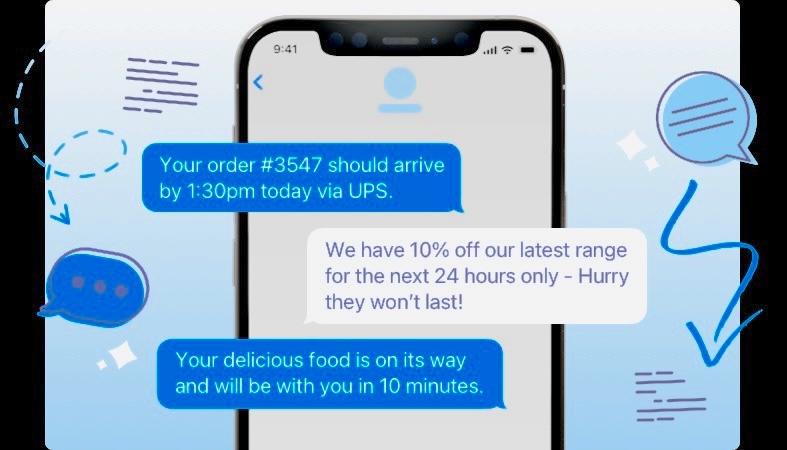

Smartphones have become an essential part of childhood and adolescence. Kids use them to chat with friends, share photos, join group conversations, and explore the digital world. While texting is a normal part of growing up, it can also expose children to risks such as cyberbullying, inappropriate content, online manipulation, or oversharing personal information.
As a parent, it’s natural to wonder:
- Who is my child talking to
- What kind of messages are they receiving
- Are they safe online
- Should I monitor their text messages
Monitoring a child’s messages is not about invading privacy — it’s about ensuring safety, building trust, and guiding them toward responsible digital behavior. This long‑form guide explores six effective ways to monitor your child’s text messages on both iPhone and Android, rewritten entirely from scratch while preserving the informational value of your original document.
FreePhoneSpy is included naturally as one of the available tools for Android users, along with other methods that rely on built‑in device features or official app store tools.
Why Parents Consider Monitoring Text Messages
Texting is one of the most common ways children communicate. While most conversations are harmless, some situations require parental awareness. Monitoring helps parents:
1. Protect Children from Cyberbullying
Bullying no longer happens only at school. Hurtful messages, group chat exclusion, and harassment can happen through text. Children may hide these experiences out of fear or embarrassment.
2. Identify Unsafe Contacts
Children may unknowingly communicate with strangers, impersonators, or individuals with harmful intentions.
3. Prevent Exposure to Inappropriate Content
Kids may receive or share:
- Explicit images
- Offensive language
- Harmful links
- Age‑inappropriate topics
Monitoring helps parents intervene early.
4. Guide Responsible Digital Behavior
Children may not understand the long‑term consequences of:
- Sharing personal information
- Sending impulsive messages
- Participating in risky conversations
Parents can use monitoring as a teaching opportunity.
5. Support Emotional Well‑Being
Text messages can reveal signs of:
- Stress
- Anxiety
- Social pressure
- Isolation
Awareness helps parents offer support.
6. Strengthen Family Communication
Monitoring is most effective when paired with open conversations about:
- Online safety
- Healthy boundaries
- Respectful communication
Understanding the Balance Between Safety and Trust
Monitoring should never replace communication. Instead, it should complement it. Parents can:
- Explain why monitoring is necessary
- Set expectations together
- Encourage honesty
- Reassure children that safety is the priority
This approach builds trust and reduces conflict.
6 Ways to Monitor Your Child’s Text Messages on iPhone and Android
Below are six effective methods rewritten from scratch, expanded, and organized for clarity. Each method works differently depending on whether your child uses an iPhone or Android device.
1. Use a Text Monitoring App (Best for Android)
Text monitoring apps are one of the most effective ways to stay aware of your child’s conversations. These tools can detect harmful content, send alerts, and provide insights into message activity.
FreePhoneSpy Parental Control (Android)
FreePhoneSpy is a strong option for parents who want to monitor text messages on Android devices. It offers:
- SMS monitoring
- Keyword alerts
- Notification syncing
- Live screen viewing
- App activity insights
- Real‑time location tracking
Parents can receive alerts when messages contain concerning keywords or phrases.
How to Monitor Text Messages with FreePhoneSpy
Step 1 — Install FreePhoneSpy Parental Control on your device Download the app from the official website or app store and create an account.
Step 2 — Install FreePhoneSpy Kids on your child’s Android phone Pair the device using the provided code and adjust permissions.
Step 3 — Enable SMS Monitoring From the dashboard, select Calls & SMS Monitoring and create keyword categories.
Step 4 — Receive Alerts When your child sends or receives messages containing flagged keywords, you’ll receive instant notifications.
Step 5 — View Synced Notifications FreePhoneSpy can sync incoming message notifications and even show the live screen during emergencies.
For iPhone Users
iOS does not allow third‑party apps to access SMS content directly. Parents can use tools like Bark for iMessage monitoring through device analysis and alerts.
2. Check Synced Messages on Other Apple Devices (iPhone Only)
If your child uses an iPhone and their Apple ID is signed in on multiple devices, messages may sync automatically across:
- iPads
- MacBooks
- Secondary iPhones
This allows parents to view messages without installing additional apps.
How to Check Synced Messages
- Open the Messages app on the secondary Apple device.
- Ensure the child’s Apple ID is signed in.
- If messages do not appear, enable syncing:
- Go to Settings > [Child’s Name] > iCloud
- Turn on Messages
This method works only if the child’s Apple ID is shared across devices.
3. Forward Text Messages to Your Device (iPhone Only)
Text message forwarding is a built‑in iPhone feature that allows messages to appear on another Apple device.
How to Set Up Text Message Forwarding
Step 1 — Sign in with your child’s Apple ID Use the same Apple ID on the device you want to monitor.
Step 2 — Enable iMessage Go to Settings > Messages and turn on iMessage.
Step 3 — Select Text Message Forwarding Choose the device you want to receive messages on.
Step 4 — Enter the Verification Code A code will appear on the monitoring device and must be entered on the child’s phone.
Important Note
Your child will see the verification code, so they will know message forwarding is enabled.
4. Restore Cloud Backup to Your Device (iPhone & Android)
Restoring a cloud backup is one of the more advanced ways to view your child’s text messages. This method works because text messages are often included in device backups. By restoring your child’s backup onto your own device, you can view the messages stored at the time of the backup.
However, this method requires caution. Restoring a backup will erase all current data on your device, so it should only be used when absolutely necessary and after backing up your own information.
How to Restore an iCloud Backup to View Text Messages (iPhone)
If your child uses an iPhone and has iCloud backups enabled, their text messages may be included in the backup.
Steps to Restore iCloud Backup
Step 1 — Erase your iPhone Go to: Settings > General > Reset > Erase All Content and Settings This resets your device to factory settings.
Step 2 — Begin Setup After restarting, choose Restore from iCloud Backup.
Step 3 — Sign in with your child’s Apple ID Enter the Apple ID and password associated with your child’s device.
Step 4 — Select the Latest Backup Choose the most recent backup to restore.
Step 5 — View Messages Once the restore is complete, open the Messages app to view the synced text messages.
How to Restore a Google Backup to View Text Messages (Android)
Android users can restore text messages if they are included in a Google Drive backup.
Steps to Restore Google Backup
Step 1 — Factory Reset Your Device Go to: Settings > System > Reset options > Erase all data
Step 2 — Begin Setup Turn on your device and follow the setup instructions.
Step 3 — Select “Copy apps and data” Choose Restore from Google Backup.
Step 4 — Sign in with your child’s Google Account Enter the Google account used on your child’s device.
Step 5 — Choose the Latest Backup Select the most recent backup and tap RESTORE.
Step 6 — View Messages Once restored, open the Messages app to view the synced SMS.
When This Method Is Useful
- When you need to review older messages
- When your child’s device is unavailable
- When you want to check messages stored in previous backups
Limitations
- Requires access to your child’s Apple ID or Google account
- Erases your current device data
- Only shows messages included in the backup
- Does not show deleted messages unless they were backed up beforehand
This method is powerful but should be used responsibly and only when necessary.
5. View Text Messages Through Carrier Websites (Limited Availability)
Some mobile carriers offer tools that allow account holders to view certain text message details. This method varies widely depending on the carrier and region.
What Carriers Typically Provide
Most carriers allow parents to view:
- Phone numbers contacted
- Time and date of messages
- Message logs
However, full message content is rarely available due to privacy regulations.
Examples of Carrier Options
T‑Mobile DIGITS
T‑Mobile offers a feature called DIGITS, which may allow primary account holders to view or sync SMS messages under certain conditions. However, it is not guaranteed to show all message content.
Verizon & AT&T
These carriers previously offered web‑based SMS viewing tools, but they have discontinued full message access. They now encourage users to use apps like Google Messages for Web for syncing.
When Carrier Monitoring Helps
- When you need to confirm who your child is texting
- When you want to check message frequency
- When you need account‑level oversight
Limitations
- Full message content is usually unavailable
- Not all carriers support message syncing
- Privacy laws restrict access to message content
Carrier monitoring is best used as a supplementary method rather than a primary solution.
6. Use Google Messages for Web (Android Only)
If your child uses the Google Messages app, you can pair their device with your browser to view text messages in real time. This method is simple, effective, and does not require installing additional apps.
How to Use Google Messages for Web
Step 1 — Open Google Messages for Web Visit: messages.google.com/web
Step 2 — Open Google Messages on Your Child’s Phone Tap the profile icon > Device pairing.
Step 3 — Scan the QR Code Use your child’s phone to scan the QR code displayed on your browser.
Step 4 — View Messages Once paired, you can view:
- Incoming messages
- Outgoing messages
- Group chats
- Attachments
Benefits of This Method
- Real‑time message syncing
- No installation required
- Works on any browser
- Easy to disconnect
Limitations
- Requires access to your child’s phone for pairing
- Only works if Google Messages is the default SMS app
- Child may notice the pairing
This method is ideal for parents who want a simple, non‑intrusive way to stay aware of their child’s text conversations.
FAQs About Monitoring a Child’s Text Messages
Parents often have questions about what is possible, what is allowed, and what tools work best. Below are expanded FAQs rewritten from scratch to help families understand their options clearly.
Can I see my child’s text messages using Google Family Link?
No. Google Family Link does not provide access to SMS or message content. It focuses on:
- Screen time limits
- App management
- Location tracking
- Content filters
While it’s a helpful parental control tool, it does not include text message monitoring.
Can I view my child’s iMessages through Family Sharing on iPhone?
No. Family Sharing allows parents to:
- Share purchases
- Share iCloud storage
- Manage Screen Time settings
But it does not allow access to:
- iMessages
- SMS content
- Private conversations
Apple’s Communication Safety feature can blur sensitive images, but it does not reveal message content.
Why should parents monitor children’s text messages?
Monitoring is not about spying — it’s about safety. Children may not recognize risky situations or harmful conversations. Parents monitor messages to:
- Protect children from cyberbullying
- Identify unsafe contacts
- Prevent exposure to inappropriate content
- Guide responsible communication
- Support emotional well‑being
- Prevent oversharing personal information
Monitoring helps parents intervene early and teach children how to navigate digital spaces safely.
Is it legal to monitor my child’s text messages?
In most regions, parents may monitor a minor child’s device when:
- The device belongs to the parent
- The child is under the age of majority
- Monitoring is done for safety and supervision
However, it’s best to use monitoring responsibly and communicate openly with your child.
Will my child know if I monitor their messages?
It depends on the method:
- Text message forwarding → Yes, they will see a verification code.
- iCloud or Google backup restore → No, but it requires account access.
- Google Messages for Web → They may notice pairing.
- FreePhoneSpy (Android) → Parents can choose visible or discreet mode.
Open communication is recommended to maintain trust.
Can I monitor deleted messages?
Some methods allow viewing deleted messages only if they were included in a backup before deletion. Real‑time monitoring apps like FreePhoneSpy may capture messages before they are removed.
Do carriers store text message content?
Most carriers store:
- Phone numbers
- Timestamps
- Message logs
But not full message content. Some exceptions exist, but they are limited and vary by region.
Is monitoring different on iPhone vs. Android?
Yes.
iPhone:
- Strong privacy restrictions
- No third‑party SMS access
- Monitoring relies on syncing, forwarding, or backups
Android:
- More flexible system
- Apps like FreePhoneSpy can monitor SMS directly
- Google Messages for Web allows real‑time syncing
Why Monitoring Children’s Text Messages Matters
Children today grow up in a digital environment that is far more complex than anything previous generations experienced. Texting is a major part of their social lives, but it also exposes them to risks that parents may not see.
Below are expanded reasons why monitoring matters, rewritten from scratch for clarity and depth.
1. Cyberbullying and Digital Harassment
Cyberbullying can happen through:
- Group chats
- Private messages
- Social platforms
- Anonymous apps
Children may hide bullying out of fear, embarrassment, or confusion. Monitoring helps parents identify:
- Hurtful messages
- Exclusion from groups
- Threats or harassment
- Signs of emotional distress
Early intervention can prevent long‑term emotional harm.
2. Online Predators and Manipulation
Predators often target children through:
- Text messages
- Social media
- Gaming chats
They may:
- Pretend to be another child
- Build trust slowly
- Ask for personal information
- Encourage secrecy
Monitoring helps parents identify unsafe conversations before they escalate.
3. Exposure to Inappropriate Content
Children may encounter:
- Explicit images
- Offensive language
- Harmful links
- Age‑inappropriate topics
Sometimes this content is shared by peers, not strangers. Monitoring helps parents guide children toward healthier digital choices.
4. Oversharing Personal Information
Children may not understand the risks of sharing:
- Home addresses
- School names
- Daily routines
- Photos with location tags
This information can be misused by strangers or lead to identity theft. Monitoring helps parents teach safer communication habits.
5. Protecting Their Reputation
Children may send impulsive messages or participate in trends without understanding the consequences. Screenshots can spread quickly, and online mistakes can follow them for years.
Monitoring helps parents:
- Prevent risky behavior
- Teach digital responsibility
- Protect long‑term reputation
6. Avoiding Malware and Scams
Some text messages contain:
- Phishing links
- Malware downloads
- Fake login pages
Children may click without realizing the danger. Monitoring helps parents identify suspicious messages and teach safer habits.
Conclusion
Monitoring a child’s text messages is a sensitive but important part of digital parenting. It helps parents stay aware of their child’s safety, guide responsible communication, and prevent exposure to harmful situations. While it may feel uncomfortable at first, monitoring is often necessary to protect children in a world where digital risks are real and constantly evolving.
The six methods in this guide — from using monitoring apps like FreePhoneSpy to enabling message syncing, forwarding, backups, carrier tools, and Google Messages for Web — give parents a range of options depending on their child’s device and family needs.
FreePhoneSpy stands out as a strong option for Android users who want real‑time SMS monitoring, keyword alerts, and synced notifications. iPhone users can rely on built‑in features like message forwarding, iCloud syncing, and backup restoration.
No matter which method you choose, the most important part of digital parenting is communication. Monitoring works best when paired with open conversations about safety, trust, and responsible device use. With the right tools and guidance, families can create a safer digital environment where children can grow, learn, and communicate confidently.



Add comment