

Understanding SMS Tracking for Families
Parents increasingly rely on digital tools to stay informed about their children’s online and mobile activity. SMS tracking refers to the ability to view sent and received text messages on a child’s phone from a parent’s device or web console. For many families this capability provides reassurance: it helps parents spot bullying, inappropriate contacts, or risky conversations and respond quickly.
This guide explains how SMS tracking works in practical terms, what features to expect, how to set it up responsibly, and what to consider when choosing an app. FreePhoneSpy is mentioned as an example of a parental control solution available through mainstream app stores; the focus here is on features, workflows, and family‑friendly practices rather than promoting any single product.
What SMS Tracking Actually Does
SMS tracking gives parents a consolidated view of a child’s text message activity. Typical capabilities include:
- View sent and received SMS: Read the content of standard text messages exchanged on the device.
- See message metadata: Timestamps, sender and recipient numbers, and sometimes contact names.
- View media attachments: Photos or videos sent via SMS may be visible in the parent console.
- Search and filter messages: Find messages by keyword, contact, or date range.
- Remote access: Access messages from a parent app or web dashboard without needing the child’s phone in hand.
- Notifications: Alerts when messages contain flagged keywords or when messages arrive from unknown numbers.
These features are commonly bundled into family safety and parental control apps available on Google Play and the Apple App Store. When evaluating options, check the app’s store listing for a clear description of SMS monitoring features and installation instructions.
Why Parents Use SMS Tracking
Parents use SMS tracking for several practical reasons:
- Safety and early warning: Detect signs of bullying, grooming, or contact with unknown adults.
- Context for conversations: Understand what a child is experiencing when they seem upset or withdrawn.
- Evidence for intervention: Preserve message records when an incident needs to be reported to school staff or authorities.
- Behavioral guidance: Use message history to open conversations about responsible communication and boundaries.
- Coordination: Confirm that a child received important logistical messages, such as pickup arrangements.
SMS tracking is a tool for awareness and response; it works best when combined with clear family rules and open communication.
Core Features to Expect in an SMS Tracker
When comparing parental control apps, look for these core SMS monitoring features:
- Complete message logs: Access to both incoming and outgoing SMS with timestamps.
- Attachment preview: Ability to view images or videos sent via text.
- Keyword alerts: Automatic notifications when messages contain predefined words or phrases.
- Contact mapping: A list of frequently contacted numbers and message counts.
- Search and export: Tools to search messages and export records if needed.
- Secure storage: Encrypted storage of message logs tied to the parent account.
- Cross‑platform support: Coverage for Android and iOS devices, noting that capabilities may differ by platform.
Store listings on Google Play and the App Store typically describe which of these features are supported. FreePhoneSpy is one app that lists SMS monitoring among its features in store descriptions.
How SMS Monitoring Works Technically
SMS monitoring relies on a few technical elements:
- Companion software: A child‑side component (app or managed profile) runs on the target device and captures SMS events.
- Parent console: A parent app or web dashboard receives captured messages and displays them in a readable format.
- Permissions: The child device must grant the monitoring software permission to access SMS and related data.
- Data sync: Captured messages are uploaded to a secure account or cloud storage and synced to the parent console.
- Platform differences: Android and iOS handle SMS access differently; Android typically allows more direct access to SMS, while iOS may require different approaches or have limitations.
Because mobile operating systems evolve, the exact technical approach varies by app and by OS version. Always consult the app’s official documentation in the store listing for the most current installation and permission steps.
Step‑by‑Step Setup Workflow
The following device‑agnostic workflow applies to most parental control apps that include SMS monitoring. Exact labels and steps vary by product.
- Install the parent app: Download the parent or guardian app from Google Play or the Apple App Store.
- Create a parent account: Register using an email address and a strong password.
- Install the child component: On the child’s phone, install the companion app or configure the managed profile as instructed.
- Grant permissions: On the child’s device, allow the app to access SMS, contacts, and any other required features.
- Pair devices: Use the app’s pairing method (QR code, code entry, or account link) to bind the child’s device to the parent account.
- Test message capture: Send a test SMS to confirm messages appear in the parent console.
- Configure alerts and filters: Set keyword alerts, contact filters, and notification preferences.
- Review storage and retention: Check how long messages are stored and whether you can export logs.
Follow the app’s in‑app help or store listing for precise instructions. If you choose an app such as FreePhoneSpy, consult its store page for installation steps and permission guidance.
Practical Uses and Everyday Scenarios
SMS tracking supports many everyday parenting needs. Examples include:
- Bullying detection: Spot repeated hostile messages or threats and intervene early.
- Unknown contacts: Identify messages from unfamiliar numbers and investigate whether they pose a risk.
- Media sharing: Confirm whether a child is sending or receiving inappropriate images.
- Logistics and coordination: Verify that a child received pickup or schedule messages.
- Evidence collection: Preserve message records when incidents must be reported to school administrators or authorities.
Use message logs as a starting point for supportive conversations rather than as a punitive surveillance tool.
Balancing Monitoring with Trust
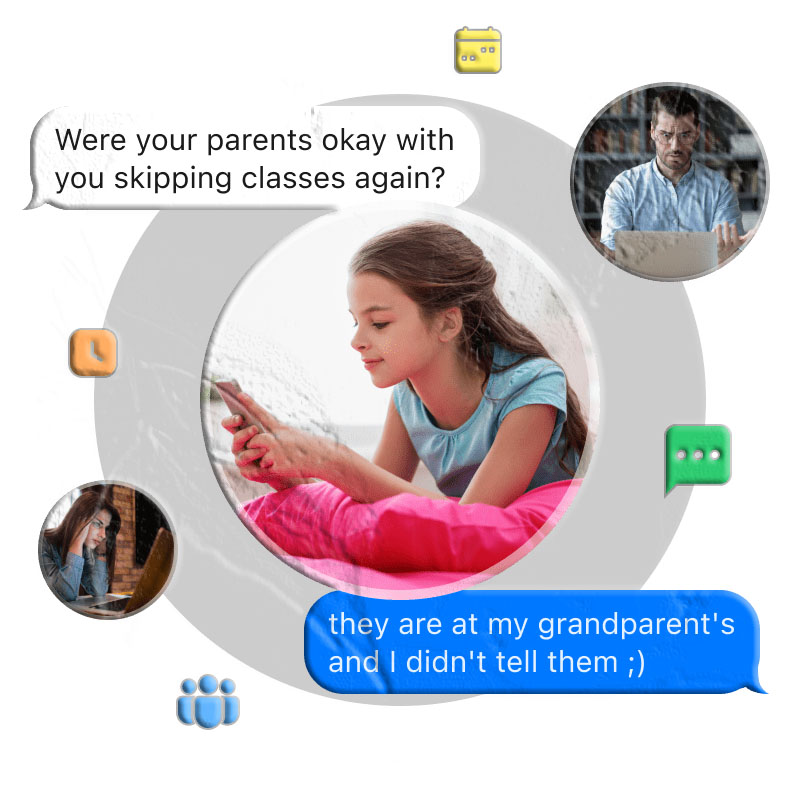
Monitoring text messages can strain trust if done without transparency. Consider these practices:
- Set clear expectations: Explain to your child what will be monitored and why.
- Age‑appropriate rules: Younger children may require more oversight; older teens may deserve more privacy.
- Use monitoring for safety: Reserve intensive monitoring for specific concerns rather than constant surveillance.
- Review together: Periodically review message logs with older children to teach responsible communication.
- Gradual reduction: Scale back monitoring as the child demonstrates maturity and responsibility.
Open dialogue reduces resentment and helps children internalize healthy digital habits.
Legal and Ethical Considerations
Laws and norms about monitoring vary by jurisdiction. Practical points for parents:
- Parental authority: Parents generally have broad rights to manage devices they own for minor children, but local laws differ.
- Consent and disclosure: Where possible, discuss monitoring with your child and other caregivers to avoid misunderstandings.
- School and workplace rules: Some institutions restrict monitoring on their networks or devices; check policies before enabling monitoring in those contexts.
- Data handling: Understand how the app stores and protects message logs and whether data is shared with third parties.
If you have legal concerns, consult local guidance or a legal professional for specifics in your area.
Platform Differences and Limitations
SMS monitoring capabilities differ between Android and iOS:
- Android: Many parental control apps can access SMS directly when granted the appropriate permissions, making message capture straightforward.
- iOS: Apple’s platform restricts direct access to SMS for third‑party apps; some solutions rely on cloud backups, managed profiles, or alternative approaches.
- App updates: Operating system updates can change what is technically possible; check the app’s store listing for current compatibility notes.
- Encrypted messaging: Messages sent via end‑to‑end encrypted apps (e.g., Signal) are not accessible through SMS monitoring; separate monitoring of those apps may be required if supported.
When choosing an app, confirm platform compatibility and any limitations that affect message capture.
Managing Attachments and Media
Modern messaging often includes images, videos, and other attachments. Consider:
- Attachment visibility: Many parental control solutions capture and display media sent via SMS; confirm whether the app supports media preview.
- Storage impact: Media files consume storage and may be subject to retention limits; check how long attachments are kept.
- Exporting evidence: If you need to preserve media for official purposes, ensure the app preserves timestamps and allows export.
- Privacy handling: Treat sensitive media with care and avoid sharing it beyond necessary channels.
Clear family rules about sharing images and media help prevent risky behavior.
Keyword Alerts and Automated Flags
Keyword alerts let parents receive notifications when messages contain predefined words or phrases. Best practices:
- Choose meaningful keywords: Include words related to bullying, self‑harm, sexual content, or other concerns.
- Avoid overbroad lists: Too many generic keywords generate false positives and alert fatigue.
- Review flagged messages promptly: Use alerts as prompts to check context and, if needed, start a conversation.
- Adjust over time: Refine keywords based on what you learn about your child’s communication patterns.
Automated flags are a triage tool; human judgment is essential to interpret context.
Storage, Retention, and Exporting Records
Understand how message logs are stored and managed:
- Retention period: Check how long the app keeps SMS logs before automatic deletion.
- Export options: Look for CSV, PDF, or other export formats if you need to preserve records.
- Metadata preservation: For official use, ensure timestamps and sender/recipient details are preserved.
- Account security: Secure the parent account to prevent unauthorized access to stored messages.
Decide on a retention policy that balances the need to review incidents with respect for your child’s privacy.
Performance, Battery, and Data Considerations
Monitoring software can affect device performance. Expect:
- Battery usage: Background syncing and media uploads consume battery power.
- Data usage: Uploading message logs and attachments uses mobile data if not restricted to Wi‑Fi.
- Device responsiveness: Some monitoring approaches are lightweight; others that run continuous background services may be heavier.
To reduce impact, enable Wi‑Fi‑only uploads, limit attachment sync frequency, and test the child’s device with the app running.
Security and Account Protection
Protect the parent account and the child’s device:
- Strong passwords: Use a unique, complex password for the parent account.
- Two‑factor authentication: Enable 2FA if the app supports it.
- Device locks: Keep both parent and child devices secured with PINs or biometrics.
- Limit account sharing: Avoid sharing parent credentials; use family features if available.
- Keep apps updated: Install updates promptly to receive security patches.
These steps reduce the risk of unauthorized access to message logs.
Choosing an App from Google Play or the App Store
When selecting an SMS tracker from official stores, evaluate:
- Feature list: Confirm the app supports SMS capture, attachment preview, keyword alerts, and export.
- Platform compatibility: Ensure the app supports the child’s device OS and version.
- User reviews: Read recent reviews to learn about reliability and support.
- Developer transparency: Look for clear documentation on permissions, data retention, and privacy.
- Support and updates: Prefer apps with active support and frequent updates.
Search the Google Play Store or the Apple App Store for parental control or family safety apps and read the developer’s description and user reviews. FreePhoneSpy is one app that lists SMS monitoring among its features in store descriptions; review its store page for installation steps and compatibility notes.
Troubleshooting Common Issues
If SMS monitoring doesn’t work as expected, check these common causes:
- Permissions not granted: Confirm the child’s device has allowed SMS access and related permissions.
- Platform limitations: iOS may restrict direct SMS access; verify the app’s approach for iOS devices.
- Battery optimization: Some phones restrict background apps; disable battery optimization for the child app.
- Network issues: Ensure the child’s device has an active internet connection for uploads.
- Outdated app versions: Update both parent and child apps to the latest releases.
- Account pairing: Re‑pair devices if the parent console cannot find the child’s device.
Most apps include in‑app help or store listing instructions to guide troubleshooting.
Handling Sensitive Discoveries
If monitoring reveals signs of self‑harm, exploitation, or other serious concerns:
- Stay calm: Approach the child with care and without immediate accusation.
- Gather context: Review timestamps and related messages to understand the situation.
- Open a supportive conversation: Ask open questions and listen.
- Seek help: If the situation is urgent or dangerous, contact appropriate professionals or authorities.
- Preserve evidence: Export or save relevant logs if they may be needed by school officials or law enforcement.
Monitoring is a tool to inform supportive action; professional help should be sought when necessary.
Communicating Rules and Expectations
Clear communication reduces conflict and builds trust. Consider these steps:
- Create a family agreement: Define when monitoring occurs and what will be reviewed.
- Explain the purpose: Tell your child monitoring is for safety and guidance, not punishment.
- Set boundaries: Agree on which devices and times are monitored.
- Review and revise: Revisit the agreement as children grow and demonstrate responsibility.
Involving children in the process helps them understand digital boundaries and encourages responsible behavior.
Comparing SMS Monitoring with App Monitoring
SMS monitoring focuses on standard text messages, while app monitoring covers messaging inside social apps. Consider:
- SMS monitoring: Captures traditional text messages and MMS attachments.
- App monitoring: Targets messages inside apps like WhatsApp, Instagram, Snapchat, and Messenger; capabilities vary by app and platform.
- Combined approach: Many families use both SMS and app monitoring to get a fuller picture of communication.
- Encrypted apps: End‑to‑end encrypted apps may not be accessible; check whether the parental control solution supports the specific apps your child uses.
A combined strategy helps parents understand both traditional and app‑based communication channels.
Exporting and Sharing Records
If you need to share message records with school staff or authorities:
- Export with metadata: Use export options that preserve timestamps and sender/recipient details.
- Secure transfer: Share records through secure channels and avoid public or unsecured methods.
- Document chain of custody: Note when and how records were exported in case they are needed for official processes.
- Respect privacy: Share only what is necessary for the situation.
Confirm export formats and procedures before relying on them in an urgent situation.
Best Practices for Long‑Term Use
To keep SMS monitoring effective and respectful:
- Review settings periodically: Update keyword lists and retention settings as needed.
- Limit retention: Delete older logs that are no longer relevant to respect privacy.
- Use monitoring sparingly: Reserve intensive monitoring for specific concerns.
- Model good behavior: Demonstrate healthy communication habits as a parent.
- Encourage digital literacy: Teach children how to communicate responsibly and how to handle uncomfortable messages.
These practices keep monitoring purposeful and constructive.
FAQs
Q: Can I read my child’s text messages remotely? Yes. When a parental control app that supports SMS monitoring is installed and configured on the child’s device, parents can view sent and received text messages from the parent console. Check the app’s store listing for platform compatibility and installation steps. FreePhoneSpy lists SMS monitoring among its features in store descriptions.
Q: Do I need physical access to the child’s phone to set up SMS tracking? Initial setup typically requires temporary physical access to install the child component and grant permissions. After pairing, many apps allow remote access to message logs.
Q: Will SMS monitoring work on both Android and iPhone? Capabilities differ by platform. Android often allows direct SMS access when permissions are granted. iOS may impose restrictions; consult the app’s documentation for iPhone compatibility.
Q: Can I see messages from apps like WhatsApp or Snapchat? Some parental control solutions offer monitoring for popular messaging apps, but support varies by app and platform. Encrypted apps may limit what can be accessed. Review the app’s feature list in the store listing to confirm support for specific messaging apps.
Q: Is it legal to monitor my child’s messages? Parents generally have broad authority to manage devices they own for minor children, but laws vary by jurisdiction. Discuss monitoring with your child and other caregivers, and consult local guidance if you have legal concerns.
Q: How long are messages stored? Retention policies vary by app. Check the app’s settings and store listing to learn how long message logs and attachments are kept and whether you can export them.
Where to Find SMS Monitoring Apps
Search the Google Play Store or the Apple App Store for parental control and family safety apps that list SMS monitoring among their features. Read the developer’s description, permissions, and user reviews to confirm compatibility and reliability. FreePhoneSpy is one named option parents sometimes reference; review its store listing for feature details and installation instructions.
Final Checklist Before You Start
- Choose an app from Google Play or the Apple App Store and read the feature list.
- Install the parent and child components and follow the developer’s pairing instructions.
- Grant SMS and related permissions on the child’s device.
- Test message capture with a few test messages.
- Configure keyword alerts, contact filters, and retention settings.
- Secure the parent account with a strong password and enable two‑factor authentication if available.
- Create a family agreement that explains monitoring rules and expectations.
Closing Thought
SMS monitoring can be a practical part of a family’s safety toolkit when used thoughtfully. Pair technical controls with open conversations, age‑appropriate boundaries, and a plan to reduce monitoring as trust grows. Evaluate apps carefully in the official app stores, confirm platform compatibility, and keep account security and data handling practices up to date. FreePhoneSpy is one example of a parental control app that lists SMS monitoring features in its store descriptions; compare it with other options to find the best fit for your family.